Understanding Sighthound Prey Drive and E-Collar Safety
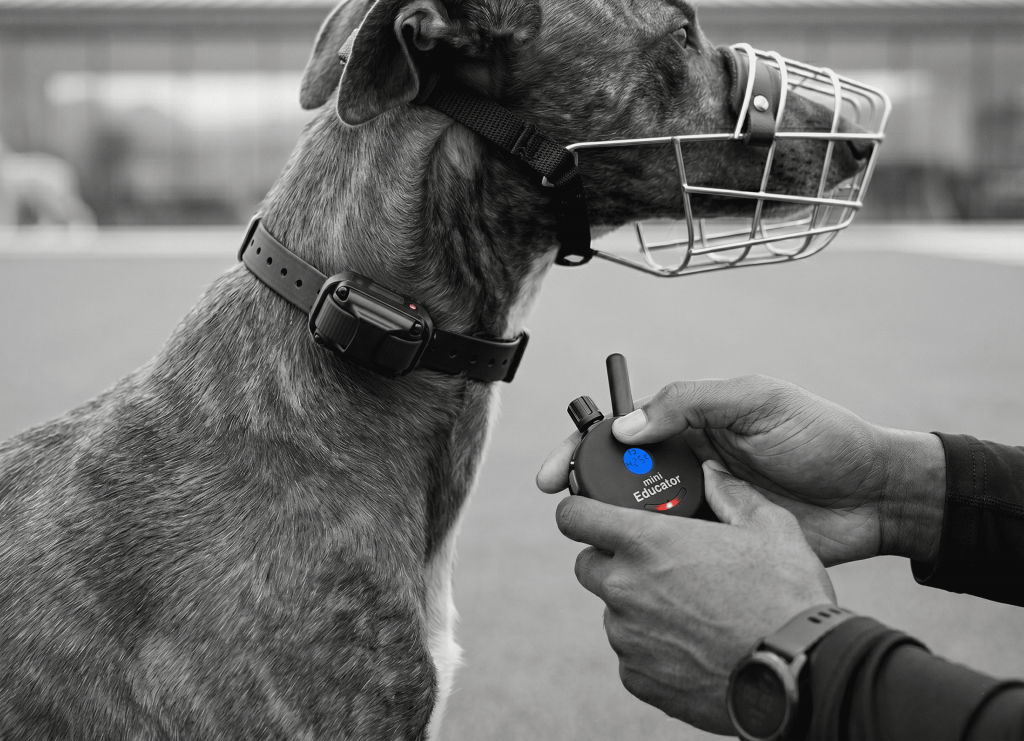 What is sighthound prey drive? Sighthound prey drive is an innate, physiological instinct to chase moving objects, common in breeds such as Greyhounds, Whippets, and Lurchers. Managing this drive requires an understanding of the adrenaline loop that occurs when a dog enters a high-arousal state, often rendering standard obedience commands ineffective without the correct tools.
The Physiology of the Hunt: Adrenaline and Training Thresholds
When a sighthound is mid-bolt, their body is flooded with adrenaline. This creates a physiological block that alters their perception of external stimuli. In this predatory state, their sensory focus narrows, meaning a communication signal that works in a calm environment may be completely ignored during a chase.| Dog State | Physiological Response | Communication Requirement |
|---|---|---|
| Calm / Neutral | Low adrenaline, high receptivity. | Base working level for subtle cues. |
| Alert / Locking On | Increasing heart rate, focused gaze. | Immediate stop or recall signal. |
| Full Speed Chase | High adrenaline, sensory narrowing. | High boost or digital leash to pierce focus. |
Technical SEO: Optimising E-Collar Communication for Safety
An e-collar, such as the Mini Educator, functions as a digital leash and a vital safety tool for sighthound owners. To ensure maximum safety and search visibility, it is essential to understand the Boost function.- The Purpose of the Boost: This feature provides an immediate, customisable increase in stimulation to address sudden distractions.
- Piercing the Adrenaline Loop: If a sighthound does not respond to the boost during a chase, it indicates the stimulation level has not reached their current threshold of perception.
- Safety vs. Sensitivity: Despite their thin skin and sensitive nature, the risk of a sighthound running into traffic or becoming lost outweighs the temporary discomfort of a higher correction level. Re-evaluating these levels in controlled environments is a key safety protocol.
Training Strategy for High Distraction Management
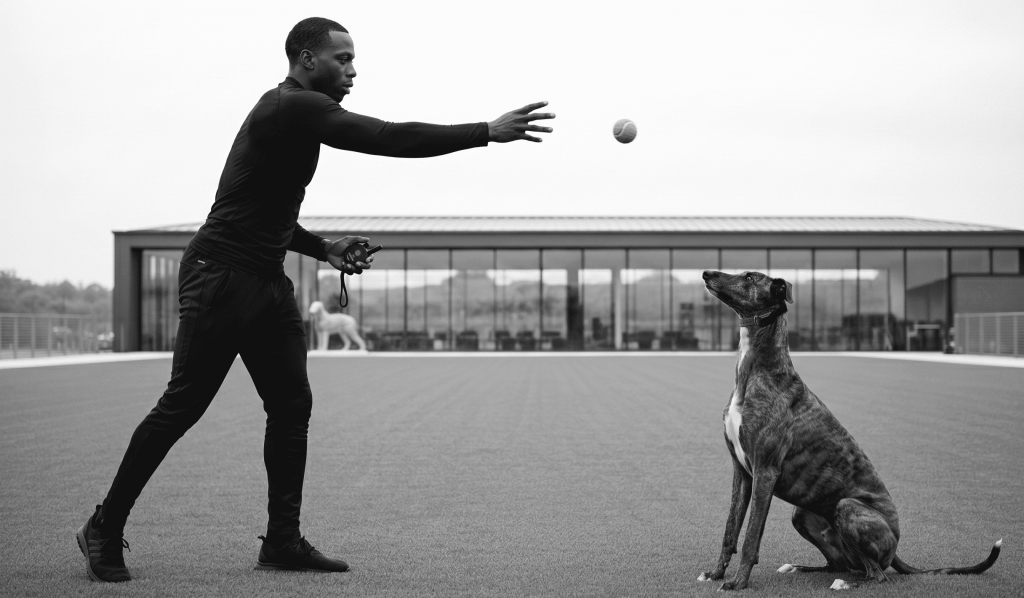 To ensure your sighthound training is effective, use a structured approach that prioritises proofing before real-world application.
- Reliable Foundation: Establish a 100% reliable recall in low-distraction environments using the dog’s base working level.
- Controlled Exposure: Use a secure field or a lure, such as a ball launcher, to simulate a chase. This allows you to find the exact level where the stop command is acknowledged without real-world risk.
- The Timing Factor: Timing is as critical as the level of stimulation. The signal must be delivered the moment the dog locks onto the prey. Once the full-speed chase has commenced, the adrenaline levels make communication significantly more difficult.